

While determining the value of property is important, it is equally critical to assess whether the financial costs and inconvenience of not having it should factor into compensation for not being able to use that property. In Lafayette City-Par. Consol Gov’t v. Triple T Enters, No. 25-26, 2025 La. App. LEXIS 2039 (Lafeyette City), the Court of Appeals of Louisiana, Third Circuit (Court of Appeals) considered whether the trial court properly awarded loss of use damages after an intoxicated driver destroyed the fire department’s custom-built fire pumper truck in a motor vehicle ... Continue Reading

The economic loss doctrine is a concept in subrogation law that is often debated and rarely completely understood. Even when a subrogation practitioner may think they have it figured out, a new scenario presents itself that creates a brand-new gray area. The United States District Court for the Northern District of Illinois (District Court) recently addressed the effect a data breach – at a software provider - had on an insured’s software access and how the economic loss doctrine played into the resulting claims for damage.
In Travelers Excess & Surplus Lines Co. v. CDK Glob., LLC,Continue Reading

Investigating construction related claims involves more than just figuring out who is at fault. Construction contracts are often full of liability limiting provisions meant to allocate risk among the parties. A prime example is the consequential damages waiver provision, a clause that limits or waives a party’s ability to recover certain losses that do not flow directly from a breach of contract. In the construction context, consequential damages can include lost profits, loss of use, and financing costs. In contrast, direct damages are the immediate costs incurred to correct ... Continue Reading
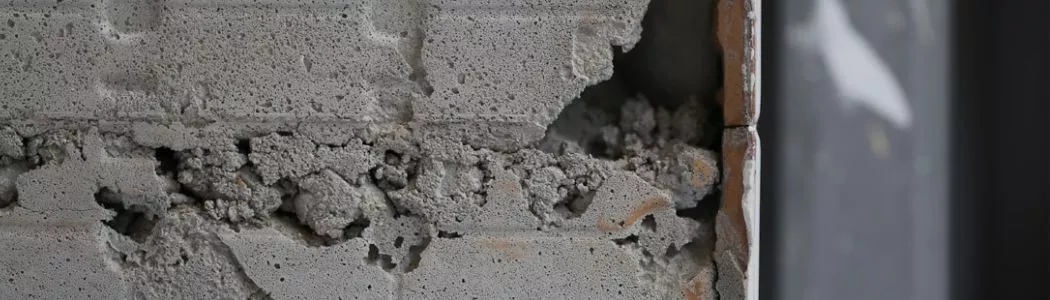
In a recent unpublished opinion, Hale v. Bassette, No. HHD-CV-20-6124046-S, 2022 Conn. Super. LEXIS 2292, the Superior Court of Connecticut held that the plaintiff was entitled to recover building code upgrade costs associated with repairing a 150-year-old home damaged by the defendant’s negligence. In reaching its decision, the court applied the eggshell plaintiff doctrine, a legal principle that is more commonly applied in personal injury actions. The doctrine says that a negligent defendant takes the injured plaintiff as he or she is found, making the defendant responsible for any injury that is magnified by the plaintiff’s pre-existing condition or injury. The court found the fact that the home was 150 years old and susceptible to greater damage did not relieve the defendant of its obligation to make the plaintiff whole.Continue Reading

Recent Posts
Categories
- Subrogation
- Texas
- Certificate of Merit
- Experts
- Products Liability
- Statute of Limitations-Repose
- CPSC Recalls
- Contracts
- Construction Defects
- Experts – Daubert
- Florida
- Litigation
- New York
- Economic Loss Rule
- Pennsylvania
- Arizona
- Arbitration
- Evidence
- Negligence
- Experts - Reliability
- Minnesota
- Damages
- New Jersey
- AIA Contracts
- Indiana
- Comparative Fault
- Illinois
- Internet Terms
- Right to Jury Trial
- Nevada
- Kansas
- Legislation
- Anti-Subrogation Rule
- Limitation of Liability
- Landlord-Tenant
- Sutton Doctrine
- Warranty - UCC
- Waiver of Subrogation
- Uncategorized
- Massachusetts
- California
- Idaho
- Damages-Personal Property
- Louisiana
- Jurisdiction
- Maryland
- Colorado
- Virginia
- South Carolina
- Cargo - Transportation
- Indemnification
- Malpractice
- Causation
- Spoliation
- Tennessee
- Condemnation
- CPSC Warning
- Michigan
- Comparative-Contributory Negligence
- Contribution-Apportionment
- Rhode Island
- Product Liability
- Assignment
- Missouri
- Parties
- Public Policy
- Civil Procedure
- Res Judicata
- Damages – Personal Property
- West Virginia
- Wyoming
- Oklahoma
- Builder's Risk
- Contractual Subrogation
- Equitable Subrogation
- Georgia
- Insurable Interest
- Mississippi
- Made Whole
- Delaware
- Settlement
- Subrogation – Equitable
- Construction
- Premises Liability
- Joint or Several Liability
- Montana
- Duty
- New Mexico
- Privity
- Right to Repair Act
- Building Code
- Landlord
- Tenant
Tags
- Subrogation
- Texas
- Experts
- Certificate of Merit
- Products Liability
- Contracts
- Construction Contracts
- Construction Defects
- Statute of Limitations
- Pennsylvania
- Amazon-eBay
- Florida
- Statute of Repose
- Economic Loss Doctrine
- Arizona
- Waiver of Subrogation
- Product Liability
- New York
- Experts – Daubert
- Improvement
- Comparative Fault
- Arbitration
- Litigation
- Evidence
- New Jersey
- Architects-Engineers
- Negligence
- Indiana
- Illinois
- Betterment
- Minnesota
- Damages
- Louisiana
- Experts - Reliability
- Landlord-Tenant
- Chain of Distribution
- Daubert
- Failure to Warn
- CPSC Recalls; Products Liability
- Spoliation
- Limitation of Liability
- AIA Contract
- Idaho
- Loss of Use
- Vehicles
- Contracts - Enforcement
- Statute of Limitations – Discovery Rule
- Nullem Tempus
- Massachusetts
- Circumstantial Evidence
- Nevada
- Kansas
- Georgia
- Maryland
- Oklahoma
- Civil Procedure
- Indemnification
- Malfunction Theory
- Sutton Doctrine
- California
- Damages-Vehicles
- Jurisdiction
- Jurisdiction - Personal
- Public Policy
- Mediation
- Anti-Subrogation Rule
- Cyber Subrogation
- Tennessee
- Delaware
- Colorado
- Incorporation by Reference
- Virginia
- Negligence – Duty
- West Virginia
- Apportionment
- Economic Loss Rule
- Negligent Undertaking
- Statute of Limitations - Contractual
- Privity
- Statute of Limitations - Tolling
- Connecticut
- Gist of the Action
- Design Defect
- Malpractice
- Causation
- Made Whole
- Condemnation
- Inverse Condemnation
- Statute of Limitations - Accrual
- Settlement
- Experts – Qualifications
- Michigan
- Rhode Island
- Water Damage
- Condominiums
- Contracts - Formation
- Non-Party at Fault
- Expert Qualifications
- Amazon
- Evidence - Hearsay
- Wisconsin
- workers' compensation subrogation
- Warranty - Implied
- Malfunction Theory; Design Defect
- Independent Duty
- Ohio
- Missouri
- Parties
- Unconscionable
- Manufacturing Defect
- Pleading
- Removal
- Entire Controversy Doctrine
- Motion to Intervene
- Res Judicata
- Subrogation; High-Net-Worth; Damages; Art; Cargo-Transportation; Anti-Subrogation Rule
- Products Liability – Risk-Utility
- Lithium-ion battery
- Internet Sales
- Anti-Subrogation Rule; Wyoming; Landlord-Tenant; Sutton Doctrine
- Sanctions
- Spoliation – Fire Scene
- Builder’s Risk
- Contractual Subrogation
- Equitable Subrogation
- Exculpatory Clause
- Gross Negligence
- Insurable Interest
- Mississippi
- Standing
- Third Party
- Accepted Work
- Montana
- Independent Contractor
- New Mexico
- Res Ipsa
- Right to Repair Act
- Damages-Code Upgrades
- Statute of Limitations - Repose
- Washington
- Implied Warranty of Habitability
- Warranty - Construction
- Forum-Venue
- Joint-Tortfeasors
- Warranty – Express
- AIA Contracts
- Anti-Indemnity Statutes
- Products Liability - Foreseeability
- Cargo-Transportation
- Contribution
- MCS-90
- Substantial Completion
Authors
Archives
- October 2026
- August 2026
- July 2026
- June 2026
- May 2026
- April 2026
- March 2026
- January 2026
- December 2025
- November 2025
- September 2025
- August 2025
- July 2025
- May 2025
- April 2025
- March 2025
- February 2025
- January 2025
- December 2024
- November 2024
- October 2024
- September 2024
- August 2024
- July 2024
- June 2024
- May 2024
- April 2024
- March 2024
- February 2024
- January 2024
- December 2023
- November 2023
- October 2023
- September 2023
- August 2023
- July 2023
- June 2023
- May 2023
- April 2023
- March 2023
- February 2023
- January 2023
- December 2022
- November 2022
- October 2022
- September 2022
- August 2022
- July 2022
- June 2022
- May 2022
- April 2022
- March 2022
- February 2022
- January 2022